
Learning Series on Organizing for Liberation #3: Power & Resistance: Stories of Organizing in Palestine – Session Write-up
Haruka Sano, Sara Saqr


-
Type
Articles
-
Region
SWANA
-
Practice
Coaching, Public narrative, Relationship building, Team structure, Strategy, Action
-
Language
English
English
Event Summary
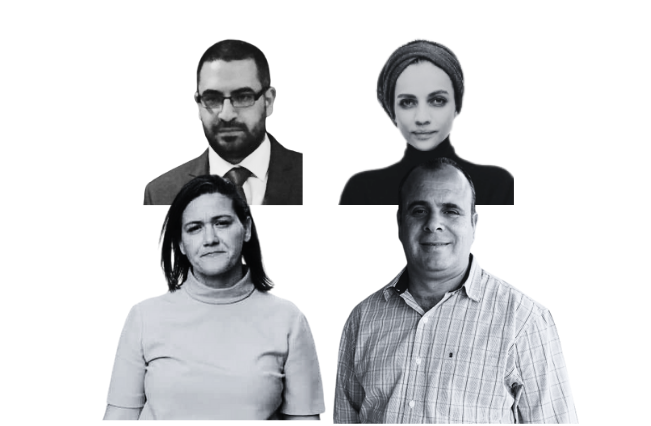
On February 12th, 2025, more than 70 people from around the world participated in the third and final session of the Learning Series on Organizing for Liberation titled Power & Resistance: Stories of Organizing in Palestine. We had the privilege of hosting three speakers, Fida Shahadeh, Rami Massad, and Nour Abuzaid, and the moderator, Zaid Shuaibi, all of whom are Palestinian community organizers and activists, working on active campaigns and projects on the ground. The session was held in Arabic and English, and simultaneously translated to English and Arabic by interpreters Serene Huleileh and Jumana Kayyali.
Evolving realities and challenges in organizing within and against an apartheid and colonial system
Past: How has organizing and activism shifted under ongoing occupation and genocide?
Rami’s turning point in 2019 was when his grassroots organization reevaluated its plan of action in the face of a dual threat—namely, the expansion of Israeli settlements, and the Palestinian economy’s growing reliance on occupation and individualism. Understanding agriculture as a model of steadfastness and resilience among youth, he has since led 30 agricultural groups in the West Bank, supporting young people, women, and liberated prisoners, who have difficulties finding employment, to cultivate and protect the land against settler colonial projects. Agricultural resistance has empowered them to reclaim dignity through stable employment and boycott Israeli products by growing their own healthy, organic products.
Cultivating one meter of land means an additional meter on the path to liberation.
– Rami Massad
Similarly, Fida shared a moment when her organization had to ask themselves under escalating oppression by the colonizers: What can we organize around? In her work supporting political prisoners, visitations stopped in 2021 and people were fired from their workplaces or arrested for posting about their organizing work on social media. Families of political prisoners were anxious to know what was happening to their loved ones, fearing for their lives under torture in Israeli prisons. As lawyers were still able to visit, one tactic emerged: lawyers visiting the prisoner also visited the prisoner’s family on the same day to provide the latest information and strengthen relationships with the families. Families also began to connect with other families, fostering a community through the common experience of having their loved ones arbitrarily detained.
Nour shared her experience of navigating how to support grassroots activism in Palestine as an architect, researcher, and computational designer. As she studied the ancient cities disrupted by colonialism and occupation, she saw how entire lifestyles came to a halt when people were suddenly displaced to refugee camps. In the investigation of a massacre in the village of Tantura, she analyzed visual evidence, gathered testimonies from survivors who were as old as 92 years old, and used imaging to find mass graves. Through such investigations, she discovered that her tools of architecture could be used as mechanisms of accountability by providing legal evidence and arguments for the massacre of Palestinian people committed by Zionist terror groups in 1948.
For us as Palestinians, who shoulder the trauma of Nakba and lived it again during this genocide in Gaza, for us to heal and for people of Gaza to heal, it’s important for us to break down this monster. We need to operate the memory, build a fresh narrative, and try to understand the details of the narrative in order to be able to address it.
– Nour Abuzaid
Present: How do you wake up every day with the hope of continuing your work?
In a response that resembled a harmonic melody to an existential question, all three speakers concurred that they don’t have any other choice than hope; they don’t have the luxury of waking up every day and not continuing their work. As they have all experienced losing their loved ones to crimes by the Israeli regime, their belief remains firm—that they have the responsibility to carry the torch forward and continue the martyred’s legacy, their stories, and dreams for justice and liberation.
Additionally, Fida said that in her work to dismantle organized crime, which is supported by weapon provision from the Israeli army, she finds hope in coaching families, particularly mothers whose children are arrested or killed by organized crime, so that they are able to speak to the media, raise awareness, and take action.
When we are visiting them [the mothers], we often see the impact. And that’s when I say, ‘well, if I could support this woman who lost her son, if she can speak, if she can talk to me, if she can help me, and they are the ones who are fighting crime, they are the ones who are making sure that they can’t simply stand behind their children.’ I find them very inspiring and I find that this is where the hope lies.
– Fida Shahadeh
Rami and Nour also referred to the powerful images of Palestinian people in Gaza eagerly marching back to their homes as soon as the ceasefire was announced in January and living again in the remains of their destroyed homes. Nour said that she feels indebted to them, because they made the Right to Return possible, and emphasized that we must continue in our struggle, even when she has doubts about everything she is doing.
The genocide against the Palestinian people has been going on for over 100 years (since the British Mandate in Palestine), it did not start on the 7th of October, and now they are trying to eradicate the Palestinian cause, with plans for annexation, forced deportations, the closure of UNRWA—these are all steps taken to eradicate, to kill the Palestinian cause altogether.
I think what we’ve done is a move in the right direction. …We knew that the final battle will be for perseverance, [that it] will be over the land. And this is why we moved towards agriculture, agricultural resistance.
And the battle is on the ground. And the battle requires us to work collectively, to be able to remain steadfast, to remain resilient. We need to protect the land. We need to have an economy of resilience. We cannot talk about political independence without talking about economic independence. If you are politically independent but you are economically dependent on the occupation, you will always be weak. …
We cannot liberate ourselves individually. It has to be collective. We need to build solidarity. And this was our priority, and our priority was affirmed after the 7th of October. We can never lose hope, because we are on the right side of history, because we own the land. We can never lose hope. This is our land. …
This is a battle. I cannot just go home and do nothing. When they destroy, I will build again. And they will destroy it again and I will build it again. The strategy that the Israelis are taking is the mobile settlers, so they start as a small caravan in one place, and then it grows into a settlement. So we, as a collective, are trying to stand against this new type of settlement activity.
Despite all these challenges, the Palestinian people keep going, because they belong to this land. What we saw in Gaza during the genocide was how people launched agricultural initiatives, invented things from what little they had, and even created devices to purify water, for example. They found ways to continue learning inside destroyed buildings, on the rooftops of bombed homes, and in displacement tents. This pain is transformed into action — in fact, it pushes them toward creativity and teaches them how to adapt to this harsh reality and the challenges they are living through.
Despair is not a word that we use as Palestinians. We say despair is for cowards. Everything that the Israelis are doing, the destruction, the genocide, all of that is to make us despair and leave our land, but this is not happening, and it will never happen. We saw the Gazans. As soon as there was a ceasefire, they marched back to their homes, despite knowing that their houses were destroyed. This means that they will not despair.
This is the Palestinian story, the Palestinian story of hope. This has been our path for over 100 years and it will continue in the same way. The martyrs sacrificed their lives and this is the least that we can do. So each one of us has a role to play.
– Rami Massad
Future: How would you imagine a liberated Palestine?
The idea of free Palestine is linked with freedom of movement – to be able to go to Al-Aqsa Mosque [in Jerusalem], to eat fish in Haifa. Especially [as] a person from Gaza, I can’t even visit the West Bank; for us, Palestine is abstract. My relationship with Palestine is a relation to maps. It’s a remote relationship. It’s a painful relationship because you get to know the neighborhoods from Google Maps through satellite images. So it’s about the freedom of movement, to visit those places, for them to be real places in your life.
– Nour Abuzaid
In imagining a liberated Palestine, speakers shared their dreams of moving freely and continuing their work. Freedom of movement includes basic things like deciding where to go, where to live, which restaurants to eat today, and who to hang out with, without having to show IDs at checkpoints and risking violence. Fida shared that her dream is for all of her family members to meet together in one place, as this has never happened, due to restrictions on travel and safety risks.
I am a person who works in community organizing. And after liberation, there is a lot of work with the community, empowerment, and construction. I wish I would live until that moment.
– Fida Shahadeh
Regarding continuing their work in a liberated Palestine, Fida shared how her first project in her urban planning studies was planning for a return; she interviewed people in the diaspora and designed how the Palestinian people would use the land, what they are going to build, etc. Rami also told the audience about his dream of all the Palestinian people coming together and using their resources to rebuild Palestine. The people he has worked with toward liberation have become his life and family, and will continue to be after liberation.
In Palestine, land is our treasure, our wealth. There is nothing else. Therefore, investing in the land is part of liberation.
– Rami Massad
Voices / questions / reflections from the audience
In the limited time for questions, an audience member asked the speakers: What kind of solidarity do you want to see from us?
Rami responded that in the current battle over the narrative at the global level, one important thing we can do is reinforce the Palestinian narrative that Palestinians do not want to improve conditions under occupation but want to end the occupation, apartheid, and settler colonialism. To combat the influential Zionist lobby that frames Palestinians as terrorists, we need to build a Palestinian lobby and a solidarity movement that becomes sustained and can impact political decisions. Fida added that she would like people to speak about weapons and the spread of arms. Nour noted that while the level of solidarity has increased, it has not been enough to stop the genocide. She suggested that on a personal level, visualizing support and care to Palestinians directly —call anyone in Palestine and say: we support you, we see you, and we do not accept what is happening. This would help mitigate the feeling among Palestinians in Gaza that they were abandoned by the world.
This 90-min session was followed by an optional 30-min session where the remaining 17 participants chose one of the four breakout rooms below for reflections and discussions.
- Head: “I want to work on Palestinian and anti-colonial liberation with people in this room, what can we do together?”
- Heart: “I want to share and hear from people on how they are navigating relationships and communities. Frustrations around both-siding, gaslighting, and passive allies.”
- Hand: “I want to share the actions I / my people have taken so far in solidarity with Palestine, and I have a call to action.”
- Head/Heart/Hand in Arabic: “I want to discuss the above in Arabic.”
In the Head room, participants discussed how to connect what we heard today to our actions, especially in building momentum around changing the narrative. In the Heart room, participants processed feelings around finding clarity on where people stand and navigating shifts in relationships. In the Hand room, participants shared local actions that they are currently working on. In the Head/Heart/Hand in Arabic room, participants reflected on what was shared in the session, built connections, and discussed some next steps forward. The discussions laid out ideas to be followed up with and explored further.
As Palestinians, we are not merely fighting for our own cause — we are standing at the forefront of a global battle for justice. The Palestinian struggle has become a symbol of resistance for all free and conscious people around the world. Today, we embody the universal call for justice, freedom, and dignity for oppressed peoples everywhere.
– Zaid Shuaibi
About the speakers

Zaid Shuaibi is a Palestinian community organizer and activist with extensive experience in advocacy and grassroots mobilization. He currently serves as a leading campaigner at Avaaz. His work focuses on organizing and mobilizing communities to resist the Israeli colonial regime. Zaid holds a Master’s degree in International Politics from the School of Oriental and African Studies (SOAS), where he specialized in China and East Asian relations with Israel. Previously, he headed the Field Research Unit at Alhaq org. Also, he served at the BDS national committee BNC and the Palestinian Campaign for the Academic and Cultural Boycott of Israel (PACBI) as coordinators in Palestine and the Arab region.

Fida Shahadeh served as the Director of the “Women Against Weapons” coalition to combat crime in Arab society and has led numerous community initiatives in municipal and social institutions. She was also a member of the Lod Municipality, where she played a pivotal role in advancing social initiatives and empowering women, youth, and students. Fida holds a Master’s degree in Urban Planning from Ben-Gurion University and has extensive experience in developing community projects, preparing strategic plans, and managing public coalitions. Fida strives to drive political and systemic change to achieve equality, safety, and unity amongst Palestinians. She is part of the Karamah movement, which supports political activists detained during the Karamah Uprising, and she is also part of the Ta’athir movement which focuses on developing local youth leadership.

Rami Massad founded and volunteered in community organizations in his village of Aboud. He was active in student unions and movements during his high school and university studies. He led community initiatives and volunteer work alongside young volunteers to assist local communities in Palestine. He works at the Popular Art Center, serving the local community in various fields: cultural/artistic, social, and economic, by strengthening the role of grassroots organizations and active youth groups on the ground, and connecting these organizations to work in a unified manner on national and social campaigns and initiatives level. He supports and accompanies youth cooperative agricultural initiatives as a necessary socio-economic alternative within the Palestinian liberation context, by providing common spaces and initiatives to exchange knowledge and practical practices among them, forming a collective force for change and liberation.

Nour Abuzaid is an architect, researcher, and computational designer. She is a Senior Researcher at Forensic Architecture (FA), where she conducts spatial investigations and develops computational research methodologies. As the MENA liaison, she teaches FA’s investigative techniques to regional collaborators. Nour is dedicated to creating accessible, web-based research tools to support grassroots activism—particularly in Palestine. Since October 2023, she has led multiple investigations into Israel’s military conduct in Gaza, including documenting the systematic destruction of life-sustaining infrastructure. FA’s reports and publications serve both as resources for public advocacy and as evidence in legal proceedings.
About the series
The Organizing for Liberation Learning Series delves into the inspiring stories of resistance, exploring how individuals and communities have found hope and power amidst adversity. By examining past liberation struggles and analyzing the ongoing Palestinian organizing efforts, we aim to build a space for collective learning, reflection, and action. The series consists of public events focused on uplifting stories and experiences of those organizing for liberation, as well as action learning circles, a close-knit virtual space focused on continued learning, solidarity, and collective action. You can read more about the series here.
Arabic
مُلخص الفعالية
في 12 فبراير 2025، شارك أكثر من 70 شخصًا من مختلف أنحاء العالم في الجلسة الثالثة والأخيرة من سلسلة التعلم حول التنظيم من أجل التحرر، والتي جاءت بعنوان: “القوة والمقاومة: قصص من التنظيم في فلسطين”.
كان لنا شرف استضافة المتحدثين فداء شحادة، رامي مصعد، ونور أبو زيد، إلى جانب الميسّر زيد شعيبي، وجميعهم من النشطاء والمنظمين المجتمعيين الفلسطينيين العاملين على حملات ومشاريع ميدانية.
عُقدت الجلسة باللغتين العربية والإنجليزية، وتولّى المترجمان سرين حليلة وجمانة كيالي الترجمة الفورية بين اللغتين.
التحديات والحقائق المتغيرة في التنظيم ضمن وضد نظام الفصل العنصري والاستعمار
سابقًا: كيف تحوّل العمل المجتمعي والنضالي في ظل الاحتلال المستمر والإبادة الجماعية؟
تحدّث رامي مصعد عن نقطة تحوّل أساسية في عام 2019، حين أعادت مؤسسته الإجتماعية تقييم خطتها في مواجهة تهديد مزدوج: توسّع المستوطنات الإسرائيلية، وتزايد تبعية الاقتصاد الفلسطيني للاحتلال، إلى جانب تصاعد النزعة الفردانية.
وانطلاقًا من فهمه للزراعة كنموذج للصمود والمقاومة يقوده الشباب، أسّس رامي أكثر من 30 مجموعة زراعية تعاونية في الضفة الغربية، لدعم الشباب والنساء والأسرى المحررين الذين يواجهون صعوبات في العثور على فرص عمل، بهدف تمكينهم من زراعة الأرض وحمايتها من مشاريع الاستيطان الاستعماري.
وقد مكّنتهم المقاومة الزراعية من استعادة كرامتهم عبر تحقيق الاستقرار الاقتصادي، ومقاطعة المنتجات الإسرائيلية من خلال إنتاج محاصيل عضوية وصحية بأيديهم.
زراعة متر من الأرض تعني مترًا، أو خطوة إضافية، على طريق تحرير فلسطين.
– رامي مصعد
أما فداء شحادة، فتحدثت عن لحظة فارقة في مسيرة منظمتها، حين واجهت تصعيدًا في القمع الاستعماري، مما دفعهم إلى التساؤل: ما هي القضايا التي يمكننا تنظيم جهودنا حولها؟
في سياق عملها في دعم الأسرى السياسيين، توقفت زيارات السجون عام 2021، وتعرّض العديد من الأشخاص للفصل من وظائفهم أو للاعتقال بسبب منشوراتهم على وسائل التواصل الاجتماعي توثّق نشاطهم النضالي.
وفي ظل هذا القمع المتصاعد، برز تكتيك فعّال، حيث بدأ المحامون بزيارة الأسير وعائلته في اليوم نفسه، لتقديم آخر المستجدات وتعزيز العلاقة مع العائلات. كما بدأ أهالي الأسرى بالتواصل مع بعضهم البعض، ما ساهم في خلق نواة مجتمعية مترابطة قائمة على التجربة المشتركة للاعتقال التعسفي لأحبّائهم.
أما نور أبو زيد، فشاركت تجربتها في دعم الحراكات المُنظمة في فلسطين من موقعها كمعمارية، وباحثة، ومصممة حاسوبية.
أثناء دراستها للمدن الفلسطينية القديمة التي دمّرها الاحتلال والاستعمار، رأت كيف أن أنماط حياة كاملة توقفت فجأة نتيجة تهجير الناس إلى مخيمات اللاجئين.
وفي تحقيقها حول مجزرة الطنطورة، قامت بتحليل أدلّة بصرية، وجمعت شهادات ناجين بلغ بعضهم 92 عامًا، كما استخدمت أدوات التصوير الجوي الرقمي لتحديد مواقع المقابر الجماعية.
ومن خلال هذه التحقيقات، أدركت أن أدوات العمارة يمكن أن تتحول إلى آليات للمساءلة، من خلال تقديم أدلّة قانونية وحجج موثقة تُثبت الجرائم التي ارتكبتها العصابات الصهيونية بحق الشعب الفلسطيني عام 1948.
نحن كفلسطينيين، ورثنا صدمة النكبة جيلاً بعد جيل، وقد عشناها من جديد خلال الإبادة الجماعية في غزة. ولكي نتعافى، ويتعافى أهل غزة، من المهم أن نفكك هذا الوحش. نحتاج إلى إعادة بناء الرواية وفهم تفاصيلها، حتى نتمكن من التعامل معها ومعالجتها.
– نور أبو زيد
حاليًا: كيف تستيقظ كل يوم وأنت مفعم بالأمل لمواصلة عملك؟
في إجابة حملت تناغمًا يشبه اللحن في وجه سؤال وجودي، أجمع المتحدثون الثلاثة على أنهم ببساطة لا يملكون خيارًا سوى التمسك بالأمل؛ إذ لا يملكون رفاهية الاستيقاظ كل يوم دون الاستمرار في عملهم. فقد عايشوا جميعًا فقدان أحبّائهم نتيجة جرائم نظام الاحتلال الإسرائيلي، ومع ذلك ظل إيمانهم راسخًا بأن عليهم مسؤولية حمل الشعلة، ومواصلة إرث الشهداء، وقصصهم، وأحلامهم في سبيل تحقيق العدالة والتحرر.
أما فداء شحادة، فقالت إنها تجد الأمل في عملها على تفكيك الجريمة المنظمة، المدعومة من الجيش الإسرائيلي من خلال تزويدها بالسلاح. وهي تستمد هذا الأمل من تمكين العائلات، وخصوصًا الأمهات اللواتي اعتُقل أو قُتل أبناؤهن، لمساعدتهن على إيصال أصواتهن إلى الإعلام، ورفع الوعي، واتخاذ خطوات فعالة.
“عندما نزور هؤلاء الأمهات، نلمس بوضوح أثر التمكين. وفي تلك اللحظات، أقول لنفسي: إذا كنتُ قادرة على دعم هذه المرأة التي فقدت ابنها، وإذا كانت تستطيع التحدث، والتفاعل معي، ومساعدتي، فهي من تقاوم الجريمة، وهي التي ترفض أن تبقى صامتة خلف أبنائها. إنهنّ مصدر إلهام كبير… وهنا بالضبط يكمن الأمل.”
عندما نزور هؤلاء الأمهات، نلمس بوضوح أثر التمكين. وفي تلك اللحظات، أقول لنفسي: إذا كنتُ قادرة على دعم هذه المرأة التي فقدت ابنها، وإذا كانت تستطيع التحدث، والتفاعل معي، ومساعدتي، فهي من تقاوم الجريمة، وهي التي ترفض أن تبقى صامتة خلف أبنائها. إنهنّ مصدر إلهام كبير… وهنا بالضبط يكمن الأمل.
– فداء شحادة
كما أشار كلٌّ من رامي ونور إلى الصورة الملهمة لأهل غزة، الذين عادوا إلى منازلهم بمجرد إعلان وقف إطلاق النار في يناير، رغم أنها كانت مدمّرة. قالت نور إنها تشعر بالامتنان لهم، لأنهم جعلوا من “حق العودة” حقيقة ملموسة، وأضافت أنها تستمد من صمودهم الدافع للاستمرار في نضالها، حتى في الأوقات التي تساورها فيها الشكوك.
الإبادة الجماعية ضد الشعب الفلسطيني مستمرة منذ أكثر من 100 عامًا، ولم تبدأ في السابع من أكتوبر. الآن يحاولون القضاء على القضية الفلسطينية، من خلال خطط الضم والترحيل القسري وإغلاق وكالة الأونروا. كل هذه خطوات تهدف إلى القضاء على القضية الفلسطينية تمامًا.
وهذا ما أكّدنا أن ما قمنا به هو خطوة في الاتجاه الصحيح… كنا نعلم أن المعركة النهائية ستكون من أجل الصمود، وأنها ستكون حول الأرض. ولهذا، تحولنا نحو الزراعة، نحو المقاومة الزراعية.
المعركة تدور على الأرض… والمعركة تتطلب بناء قوة جماعية قادرة على المواجهة والصمود، لكي نتمكن من البقاء صامدين، ومن البقاء مرنين. نحن بحاجة إلى حماية الأرض، ونحن بحاجة إلى اقتصاد صمود. لا يمكننا الحديث عن الاستقلال السياسي دون الحديث عن الاستقلال الاقتصادي. إذا كنت مستقلاً سياسيًا ولكنك تعتمد اقتصاديًا على الاحتلال، فستظل دائمًا ضعيفًا.
لا يمكننا أن نحرر أنفسنا بشكل فردي. يجب أن يكون التحرر جماعيًا. نحن بحاجة إلى بناء التضامن. وكان هذا أولويتنا، وقد تأكدت هذه الأولوية بعد السابع من أكتوبر. لا يمكننا أبدًا أن نفقد الأمل، لأننا أصحاب الحق، نحن على الجانب الصحيح من التاريخ، لأننا نملك الأرض. لا يمكننا أبدًا أن نفقد الأمل. هذه أرضنا.
هذه معركة! لا يمكنني ببساطة العودة إلى المنزل والجلوس مكتوف اليدين. عندما يدمرون منشأة، سأعيد بناؤها. وسيدمرونها مجددًا، وسأعيد بناؤها من جديد. هذه هي استراتيجيتهم: ما يُعرف بالاستيطان الرعوي، حيث يبدأون بكرفان صغير في موقع معين، ثم يتحول تدريجيًا إلى مستوطنة قائمة. لذلك، نحن كمجموعة، نحاول الوقوف في وجه هذا الشكل الجديد من النشاط الاستيطاني
على الرغم من كل هذه التحديات، ما زلنا نمضي قدمًا. لقد رأينا الإبادة الجماعية في غزة، وفي نفس الوقت، كان لدى الناس مبادرات زراعية؛ كانوا يبتكرون طرقًا لتحلية المياه، وإنتاج مياه صالحة للشرب، وحتى إنتاج الكهرباء في خيامهم. هذا الألم يتحول إلى أمل، إلى إبداع، وإلى طرق نتمكن من خلالها من التكيف مع هذا الوضع الصعب.
اليأس ليس كلمة في قاموسنا نحن الفلسطينيين. نقول دائمًا إن اليأس من صفات الجبناء. كل ما يفعله الاحتلال الإسرائيلي — من تدمير وإبادة جماعية — يهدف إلى دفعنا لليأس وترك أرضنا، لكن هذا لم يحدث، ولن يحدث أبدًا. لقد رأينا كيف تصرّف أهل غزة: فور إعلان وقف إطلاق النار، عادوا إلى منازلهم رغم علمهم بأنها مهدّمة. وهذا وحده دليل على أنهم لن يعرفوا اليأس.
هذه هي القصة الفلسطينية، قصة الأمل الفلسطيني. هذا هو طريقنا منذ أكثر من 100 عام، وسيستمر بنفس الطريقة طالما هذا الاحتلال موجود، الشهداء قدموا أرواحهم، وهذا أقل ما يمكننا فعله. إذن، كل واحد منا لديه دور يلعبه.
– رامي مصع
مستقبلًا: كيف تتخيل فلسطين المحررة؟
فكرة فلسطين الحرة مرتبطة بحرية الحركة؛ أن أتمكن من الصلاة في المسجد الأقصى في القدس، أو تناول السمك في حيفا. خاصةً كشخص من غزة، لا أستطيع حتى زيارة الضفة الغربية. بالنسبة لنا، فلسطين شيء مجرَّد؛ علاقتي بفلسطين هي علاقة بالخرائط، علاقة عن بُعد، ومؤلمة، لأنك تتعرّف على الحارات من خلال صور الأقمار الصناعية على خرائط جوجل. لذا، الأمر يتعلق بحرية الحركة، بزيارة هذه الأماكن، وجعلها أماكن حقيقية في حياتك.
– نور أبو زيد
في تخيّلهم لفلسطين محرّرة، شارك المتحدثون أحلامهم في أن يتمكنوا من التنقّل بحرية، ومواصلة حياتهم وعملهم دون قيود. فحرية التنقل تشمل أبسط الحقوق الإنسانية: أن تختار إلى أين تذهب، وأين تسكن، وأي مطعم تزور، ومع من تقضي وقتك، دون الحاجة إلى إبراز بطاقة الهوية على الحواجز أو التعرّض لخطر العنف.
تحدّثت فداء شحادة عن حلمها بأن يتمكن جميع أفراد عائلتها من الاجتماع في مكان واحد، وهو أمر لم يحدث قط بسبب القيود المفروضة على الحركة والمخاطر الأمنية المستمرة
أنا أعمل في التنظيم المجتمعي، وبعد التحرير، سيكون أمامنا الكثير من العمل في بناء المجتمع وتمكينه. أتمنى أن أعيش حتى أرى ذلك اليوم.
– فداء شحادة
وفي ما يخص الاستمرار في العمل بعد التحرير، شاركت فداء تجربتها في أول مشروع لها خلال دراستها للتخطيط العمراني، والذي تمحور حول “التخطيط من أجل العودة”؛ حيث أجرت مقابلات مع فلسطينيين في الشتات، وصمّمت تصوّرات لكيفية استخدام الأرض، وما الذي سيُبنى، وكيف يمكن للناس أن يعودوا ليعيشوا فيها من جديد.
كما تحدّث رامي مصعد عن حلمه بأن يجتمع جميع الفلسطينيين يومًا ما، ويوظّفوا مواردهم وخبراتهم لإعادة بناء وطنهم. وأكد أن من شاركوه طريق النضال أصبحوا عائلته، وسيظلّون كذلك بعد التحرير.
في فلسطين، الارض هي كنزنا، ثروتنا؛ ليس لدينا ما هو أثمن منها. لذلك، فإن الاستثمار في الأرض هو جزء من طريقنا نحو التحرير.
– رامي مصعد
أصوات / أسئلة / تأملات من الجمهور
في الوقت المحدود المخصّص للأسئلة، طرح أحد الحضور سؤالًا على المتحدثين: “ما نوع التضامن الذي تودّون رؤيته منّا؟”
أجاب رامي بأن المعركة الحالية تدور على مستوى الرواية، عالميًا، وهي معركة تتطلب دعم الرواية الفلسطينية التي تؤكد أن الفلسطينيين لا يسعون إلى تحسين ظروفهم تحت الاحتلال، بل إلى إنهاء الاحتلال، والفصل العنصري، والاستعمار الاستيطاني.
ولمواجهة اللوبي الصهيوني المؤثر، الذي يروّج لصورة الفلسطينيين كإرهابيين، نحتاج إلى بناء لوبي فلسطيني، وحركة تضامن مستدامة، قادرة على التأثير في السياسات وصنع القرار.
وأضافت فداء أنها تأمل أن يتحدث الناس أكثر عن مسألة السلاح وانتشاره، والدور الذي يلعبه في تصعيد العنف وتفاقم الأوضاع داخل المجتمع الفلسطيني.
أما نور، فأشارت إلى أن مستوى التضامن العالمي مع القضية الفلسطينية قد ازداد بالفعل، لكنه لا يزال غير كافٍ لوقف الإبادة الجماعية الجارية.
واقترحت أنه، على المستوى الشخصي، يمكن إظهار الدعم والرعاية للفلسطينيين بشكل مباشر — عبر الاتصال بأي شخص في فلسطين، والقول: “نحن ندعمكم، نراكم، ولا نقبل بما يحدث.”
مثل هذا الفعل البسيط قد يساهم في تخفيف الشعور السائد لدى الفلسطينيين في غزة بأن العالم قد تخلّى عنهم.
جلسات النقاش التفاعلية
عقب الجلسة الرئيسية التي امتدّت لـ 90 دقيقة، عُقدت جلسة اختيارية لمدة 30 دقيقة، اختار خلالها 17 مشاركًا الانضمام إلى واحدة من أربع غرف نقاش تفاعلية، توزعت على النحو التالي:
- العقل: “أرغب في العمل على تحرير فلسطين ومناهضة الاستعمار مع من هم في هذه الغرفة. ما الذي يمكننا فعله معًا؟”
- القلب: “أود مشاركة والاستماع إلى تجارب الآخرين حول كيفية بناء العلاقات والمجتمعات، والإحباطات المرتبطة بالتضليل، والحياد السلبي، والتلاعب العاطفي.”
- اليد: “أرغب في مشاركة الخطوات التي قمت بها أنا أو مجتمعي تضامنًا مع فلسطين، ولدي دعوة للعمل.”
- العقل/القلب/اليد (بالعربية): “أرغب في مناقشة هذه المواضيع باللغة العربية.”
في غرفة العقل، ناقش المشاركون سُبل ترجمة ما سمعوه خلال الجلسة إلى أفعال ملموسة، خاصة في ما يتعلق ببناء زخم حول تغيير الرواية السائدة.
في غرفة القلب، شارك الحاضرون مشاعرهم وتجاربهم في فهم مواقف من حولهم، وكيفية التعامل مع تحوّلات العلاقات الشخصية والمجتمعية.
أما غرفة اليد، فشهدت تبادلًا لتجارب وأنشطة محلية يجري تنفيذها حاليًا في إطار التضامن مع فلسطين.
وفي غرفة العقل/القلب/اليد (بالعربية)، عبّر المشاركون عن انعكاساتهم على محتوى الجلسة، وبنوا روابط فيما بينهم، وناقشوا خطوات مستقبلية يمكن البناء عليها.
وقد أفرزت هذه النقاشات العديد من الأفكار والمقترحات التي تستحق المتابعة والتطوير في مراحل لاحقة.
نحن الفلسطينيين لا نخوض نضالنا من أجل قضيتنا فقط، بل من أجل قضايا جميع الأحرار الساعين إلى العدالة في هذا العالم. لقد أصبحت القضية الفلسطينية رمزًا عالميًا للمقاومة، ونحن اليوم نُجسد نداء الكرامة والحرية لكل الشعوب المضطهدة في أنحاء العالم.
— زيد شعيبي
حول المتحدثين
زيد شعيبي هو منظم مجتمعي وناشط فلسطيني يتمتع بخبرة واسعة في المناصرة والحشد الشعبي. يعمل حاليًا كمسؤول حملات رئيسي في منظمة “AVAAZ”، حيث يركز عمله على تنظيم المجتمعات وتحفيزها لمقاومة نظام الاستعمار الإسرائيلي. حصل على درجة الماجستير في السياسة الدولية من كلية الدراسات الشرقية والأفريقية، وركز بحثه الدراسي على العلاقة بين الصين ومنطقة شرق آسيا وإسرائيل وآثارها على المنطقة. وقد شغل سابقًا منصب رئيس وحدة البحث الميداني في مؤسسة “الحق”، كما شغل منصب مُنسق في اللجنة الوطنية لحملة المقاطعة (BDS)، والحملة الفلسطينية للمقاطعة الأكاديمية والثقافية لإسرائيل (PACBI) في فلسطين والمنطقة العربية.
فداء شاهدة هي مديرة تحالف “نساء ضد الأسلحة”، الذي يهدف لمكافحة الجريمة في المجتمع العربي. قادت العديد من المبادرات المجتمعية في المؤسسات البلدية والاجتماعية. كما كانت عضوًا في بلدية اللد، حيث لعبت دورًا مهمًا في تعزيز المبادرات الاجتماعية وتمكين النساء والشباب والطلاب. حصلت فداء على درجة الماجستير في التخطيط العمراني من جامعة بن غوريون، ولديها خبرة واسعة في تطوير المشاريع المجتمعية، وإعداد الخطط الاستراتيجية، وإدارة التحالفات العامة. تسعى فداء لتحقيق التغيير السياسي والنظامي من أجل تحقيق المساواة والأمان والوحدة بين الفلسطينيين. وهي جزء من حركة كرامة التي تدعم الناشطين السياسيين المعتقلين خلال انتفاضة الكرامة، وأيضًا جزء من حركة تأثير التي تركز على تطوير قيادة الشباب المحلي.رامي مصعد
رامي مصعد أسس وشارك في العمل التطوعي داخل منظمات مجتمعية في قريته عبود. نشط في الحركات الطلابية خلال دراسته في المدرسة الثانوية والجامعة، وقاد مبادرات تطوعية لدعم المجتمعات المحلية في فلسطين. يعمل حاليًا في مركز الفن الشعبي، حيث يخدم المجتمع المحلي عبر مجالات ثقافية وفنية واجتماعية واقتصادية، من خلال تعزيز دور المنظمات القاعدية والمجموعات الشبابية الفاعلة على الأرض، وربطها بالعمل المشترك ضمن حملات وطنية واجتماعية. يدعم رامي المبادرات الزراعية التعاونية للشباب كبديل اجتماعي-اقتصادي ضروري في سياق التحرر الفلسطيني، عبر توفير مساحات مشتركة لتبادل المعرفة والممارسات العملية، وتشكيل قوة جماعية للتغيير والتحرير.
نور أبو زيد هي معمارية، باحثة، ومصممة حاسوبية. تعمل كباحثة أولى في منظمة Forensic Architecture، حيث تجري تحقيقات مكانية وتطور منهجيات بحث حاسوبية. تُدرّس نور تقنيات التحقيق التابعة للمؤسسة لشركاء إقليميين، وتركز على تطوير أدوات بحث إلكترونية لدعم النشاط القاعدي (أي النشاط الذي يأتي من المجتمعات المحلية)، خصوصًا في فلسطين. منذ أكتوبر 2023، قادت تحقيقات حول السلوك العسكري الإسرائيلي في غزة، بما في ذلك توثيق التدمير المنهجي للبنية التحتية (مثل الطرق، المستشفيات، ومرافق المياه). تقارير ومنشورات Forensic Architecture تُعتبر مصادر للدعوة العامة ولتقديم الأدلة في الإجراءات القانونية.
حول السلسلة
تهدف سلسلة التعلم حول التنظيم من أجل التحرر إلى استكشاف قصص المقاومة الملهمة، وتسليط الضوء على كيفية إيجاد الأفراد والمجتمعات الأمل والقوة في مواجهة التحديات. تتناول السلسلة تاريخ النضالات التحررية، وتحلل جهود التنظيم الفلسطيني المستمرة، سعيًا لإنشاء مساحة للتعلم الجماعي، والتأمل، والعمل.
يمكنك قراءة المزيد عن السلسلة هنا.
Share this page!
Resource Information
- Year: 2025
- Author: Haruka Sano, Sara Saqr
- Tags: Session write-up
- Access : Public
- Topics : Indigenous justice and decolonization
- Regions : SWANA
YOU MIGHT LIKE

The Resource Center thrives on the generosity of people like you.
Share your wisdom with the community. Submit a resource today!
Share With the Community