

What a Mighty Power We Can Be: African American Fraternal Groups and the Struggle for Racial Equality (Book)
Ariane Liazos, Marshall Ganz, Theda Skocpol


-
Type
Books
-
Region
North America
-
Practice
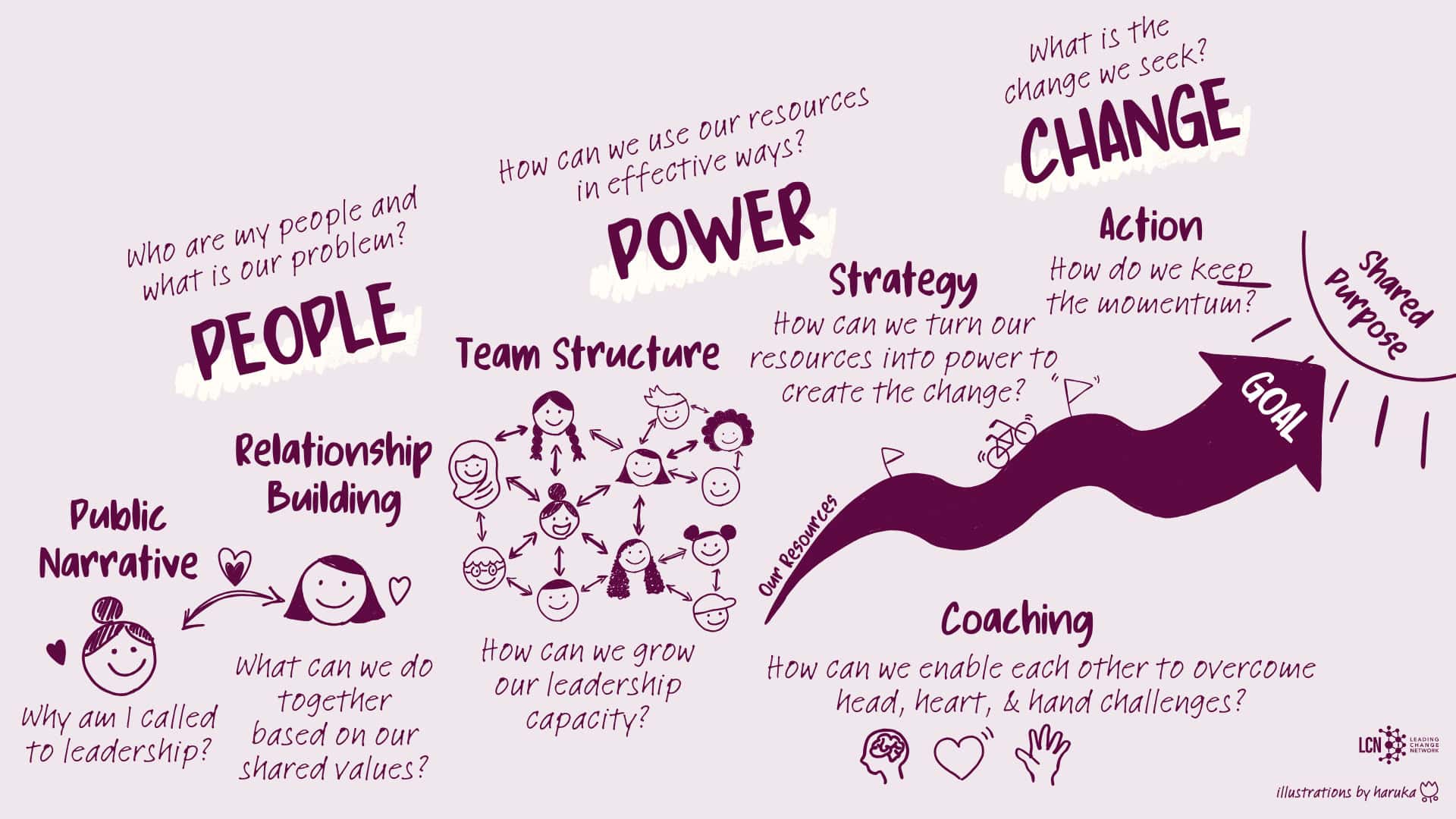
Coaching, Public narrative, Relationship building, Team structure, Strategy, Action
-
Language
English
Introduction
“From the nineteenth through the mid-twentieth centuries, millions of American men and women participated in fraternal associations — self-selecting brotherhoods and sisterhoods that provided aid to members, enacted group rituals, and engaged in community service. Even more than whites did, African Americans embraced this type of association; indeed, fraternal lodges rivaled churches as centers of black community life in cities, towns, and rural areas alike. Using an unprecedented variety of secondary and primary sources — including old documents, pictures, and ribbon-badges found in eBay auctions — this book tells the story of the most visible African American fraternal associations.
The authors demonstrate how African American fraternal groups played key roles in the struggle for civil rights and racial integration. Between the 1890s and the 1930s, white legislatures passed laws to outlaw the use of important fraternal names and symbols by blacks. But blacks successfully fought back. Employing lawyers who in some cases went on to work for the NAACP, black fraternalists took their cases all the way to the Supreme Court, which eventually ruled in their favor. At the height of the modern Civil Rights movement in the 1950s and 1960s, they marched on Washington and supported the lawsuits through lobbying and demonstrations that finally led to legal equality. This unique book reveals a little-known chapter in the story of civic democracy and racial equality in America”. – Publisher’s website
Contents
- List of Illustrations
- List of Tables
- Preface
- Chapter 1. African American Fraternalism – A Missing
- Chapter in the Story of U.S. Civic Democracy
- Chapter 2. The Panorama of African American Fraternal Federations with the assistance of Jennifer Lynn Oser
- Chapter 3. African American Fraternals as Schools for Democracy
- Chapter 4. Proprietors, Helpmates, and Pilgrims in Black and White Fraternal Rituals by Bayliss Camp and Orit Kent
- Chapter 5. Defending the Legal Right to Organize
- Chapter 6. Black Fraternalists and the Mid-20th-Century Movement for Civil Rights
- Chapter 7. The Achievements of African American
- Fraternalism
- References
- Notes
- Index
To order
Resource Information
- Year: 2021
- Author: Ariane Liazos, Marshall Ganz, Theda Skocpol
- Tags: African Americans - Societies, African Americans - Societies etc. - History, Campaigns_Movements_Organizing - Case studies - Civil rights - United States of America, Campaigns_Movements_Organizing - Case studies - Racism_Racial justice, Racism_Racial justice
- Access : Public
- Topics : Racial justice and abolition
- Regions : North America
YOU MIGHT LIKE



The Resource Center thrives on the generosity of people like you.
Share your wisdom with the community. Submit a resource today!
Share With the Community